Beyond the Gates 2026 – the Mistweaver
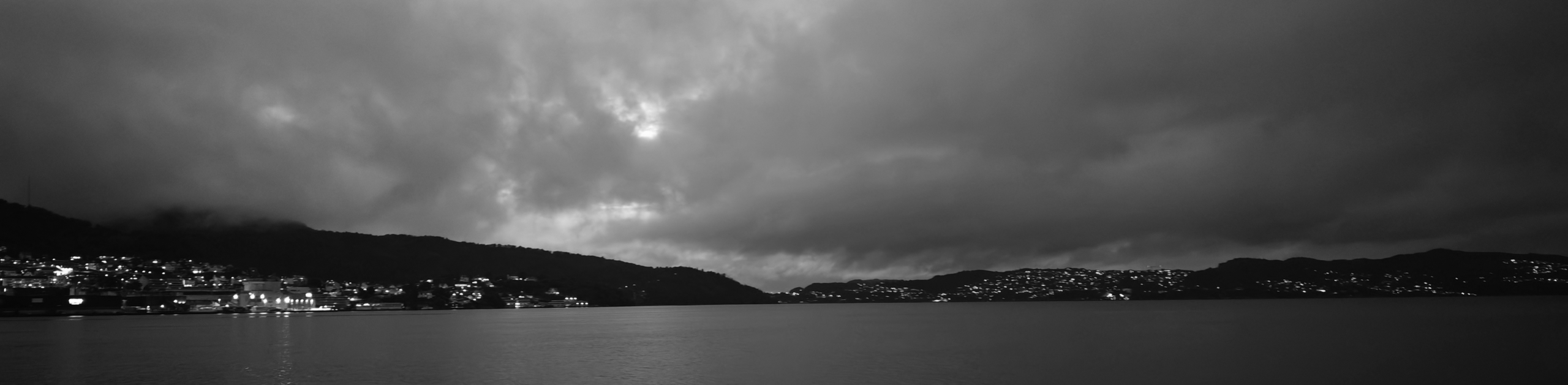
Arriving in Bergen, Norway on July 28th, attendees were greeted not by gloomy skies, but by surprisingly sunny and clear weather, providing a comfortable climate for fans clad in hoodies and battlejackets. Framed by the historic scenery of Vestland, a dramatic backdrop of fjords, mountains, and water, the city proved exceptionally welcoming and well-accustomed to the annual extreme metal gathering, with locals frequently complimenting festival attire.
Before the musical onslaught commenced, the initial order of business was the wristband exchange. Held on Tuesday at Kulturhuset i Bergen near the city center’s tram terminus, the operation was remarkably efficient, cleanly separating general ticket holders from accreditations and volunteers. It served as a flawless launch to a legendary week of metal.
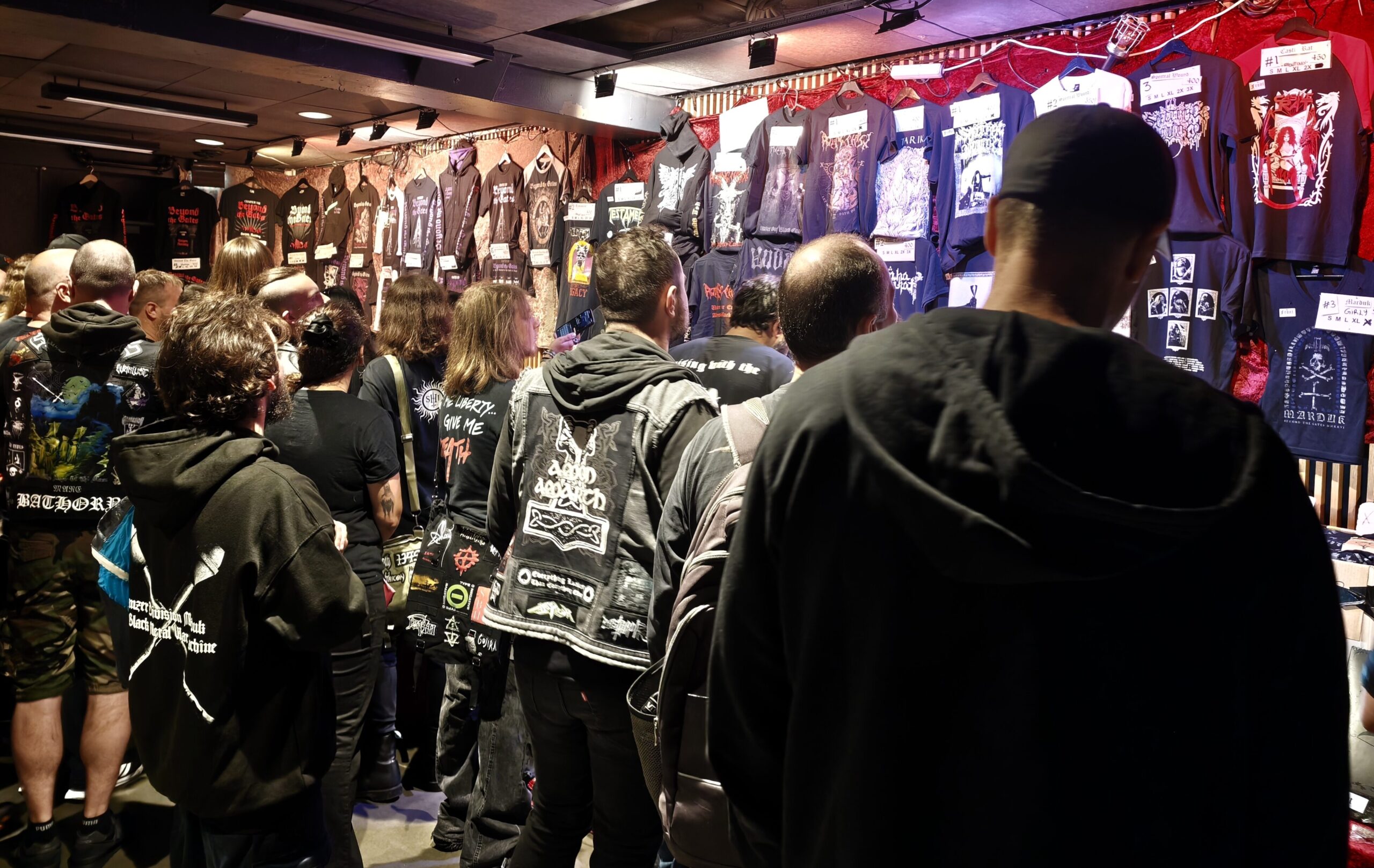
As fans poured into USF Verftet for the festival’s opening day on the 29th, the general venue atmosphere was electric but noticeably congested, particularly around the merchandise stands. The culprit for such? This year’s highly anticipated “limited hoodie” caused an absolute frenzy, drawing massive, bottlenecked crowds the moment the doors opened. With everyone eager to secure the exclusive gear before sizes sold out, patience was running remarkably thin among the attendees. It took quite some time for this dense cluster of shoppers to finally disperse and filter into the main stage area and the general bars. While checking out the regular bar areas provided a much-needed break from the merch lines, the VIP areas remain uncharted territory for now. This early rush perfectly explains why the venue was already so impressively busy and packed by the time the opening acts took the stage.
day 1
As the festival officially swung into motion on July 29th against the gritty, industrial seaside backdrop of Bergen’s USF Verftet, Castle Rat took to the stage at 17:30 to mark their official Beyond the Gates debut. Despite the early hour, the venue was already impressively busy, highlighting the palpable anticipation of an eager crowd. Immersed in their distinct fantasy storytelling and “Rat Queen” lore, the band brought a unique visual identity to the opening slot right out of the gate.
Musically, the group blended dungeon-synth aesthetics with old-school heavy doom metal, relying on groovy, proto-doom riffs that served as a warm, swaggering invitation to the festival. Rather than diving straight into punishing extreme metal, their set offered a heavy, rhythmic pulse that quickly won over the room, anchored by a solid sound mix and a visual light show that felt characteristically tailored to their theatrical world.
Drawing material from their current Summon The Beasts Tour 2026 set, Castle Rat successfully set a high tone for the event. Their distinct brand of doom and fantasy provided a great stylistic counterweight, offering an engaging, immersive warmup before the harsher black metal acts took over the later hours of the evening.
Following them in the second slot at 18:20 was Imha Tarikat, marking their first return to the Beyond the Gates stage since 2019. The band stepped up with an immediate surge of energy, blurring the lines between blackened heavy metal and black metal ‘n’ roll. Right away, their delivery made it clear they weren’t going to rely on standard, cold atmosphere alone.
The music was driven by frantic guitar melodies that paired high-speed black metal urgency with genuine rock ‘n’ roll swagger, giving the riffs a palpable bounce and grit. Frontman Ruhsuz Cellât completely captivated the audience, deliberately ditching traditional high-pitched shrieks in favor of throaty, booming bellows, fierce emotional shouts, and powerful battle cries that carried real weight.
Rather than feeling detached, his passionate performance played out like a visceral, emotional exorcism that effortlessly commanded the room. Ultimately, their set proved to be a refreshing and welcoming change from the standard satanic and anti-Christian clichés so often found in the broader black metal scene, leaning instead into raw, personal intensity.
Stepping up as the third act, Rotting Christ dominated the industrial space of USF Verftet with a strong, highly active stage presence that left no corner of the room unattended. Frontman Sakis Tolis anchored the set with his trademark style, using open, welcoming gestures and direct crowd interaction that created a striking contrast with the dark, occult weight of the music. Backed by a tasteful light show that built an immersive mood without blinding the room, the band immediately established a focused atmosphere.
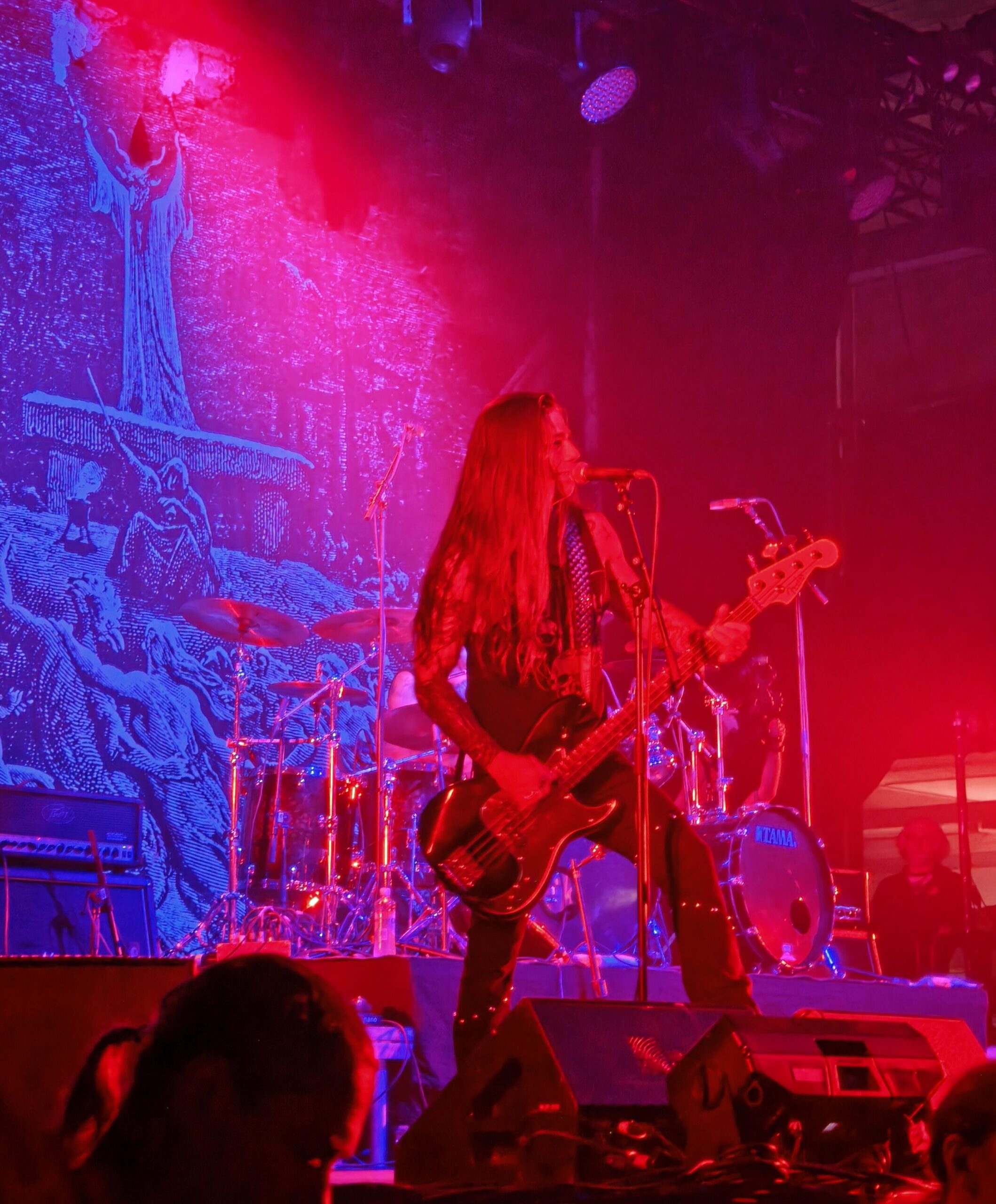
Musically, the group turned the venue into a historical time capsule by drawing a strict line at 1995, delivering an entirely old-school setlist that heavily rewarded die-hard fans. The performance was anchored by Non Serviam, a full-length playthrough of their seminal album Thy Mighty Contract, and Grandis Spiritus Diavolos.
This choice highlighted the distinct characteristics of early Hellenic black metal, relying on mid-tempo, hypnotic grooves and rhythmic occult atmospheres rather than the blistering, high-speed aggression typical of modern Scandinavian styles. For a packed, hyper-focused crowd, this rare dive into older material was a major highlight. Hearing these tracks live – deep cuts that had largely stayed in the studio archives for decades- sent the audience into a frenzy and proved that the band’s foundational catalog still packs a massive punch in a live setting.
Maintaining the unrelenting, breakneck momentum as the fourth act of the evening, Spectral Wound took to the stage and delivered a masterclass in raw, ferocious, and strictly “back to basics” black metal, proudly flying the banner of the frost-bitten melodic aggression that has made the contemporary Quebec black metal scene a global powerhouse. Abstaining from modern gimmicks or overly polished digital studio tricks, the band proved that true atmospheric depth comes from organic intensity and uncompromising songwriting.
Musically, their set was a masterwork of striking contrasts: blistering blast beats and razor-sharp tremolo-picked guitar lines collided seamlessly with soaring, melancholic leads and triumphant, sweeping hooks that gave the cold aggression a surprising sense of epic grandeur. Tracks pulled heavily from their widely acclaimed 2024 release, Songs of Blood and Mire, resonated with a haunting urgency, translating their recorded desolation into a fierce, living entity that washed over the room in waves of pure, unadulterated catharsis.
Visually, the performance was entirely enveloping and atmospheric; while the massive, rolling quantities of stage fog proved to be a nightmarish challenge for the photographers struggling down in the photo pit, it suited the orthodox black metal ethos to absolute perfection. The thick, rolling clouds swallowed the band whole, transforming the stage into a shadowy, anonymous wall of sound and fury where individual faces dissolved into a singular, imposing force of destruction. This total immersion forged an intense, almost hypnotic connection with the audience, locking heads in a rhythmic sway and leaving a profound, lingering mark on the venue long after the final chord faded out, prompting one awe-struck fan in the crowd to aptly sum up the unforgettable experience as “just magnificent.”
Carrying the heavy afternoon energy forward against the industrial, seaside backdrop of USF Verftet, Testament took the slot second to last of the day to deliver a crushing masterclass in modern thrash. While earlier acts in the lineup leaned heavily on historical gimmicks, raw lo-fi aesthetics, and mid-tempo occult atmospheres, Testament anchored the opening night with pure muscle power, drawn directly from their Para Bellum cycle.
Musically, the band brought a level of precision and heavy artillery that few can match. Frontman Chuck Billy commanded the stage with his trademark powerhouse delivery and commanding presence, setting the rhythm and engaging the crowd with veteran ease. Meanwhile, the legendary guitar duo of Eric Peterson and Alex Skolnick fired off intricate guitar work and blistering solos that sliced cleanly through USF Verftet’s night air, proving why the band remains an enduring pillar of the genre.
While some in the crowd noted that the precision-tooled performance occasionally leaned closer to a well-oiled routine execution rather than a rare, once-in-a-lifetime festival exclusive, there was no denying the sheer weight of their veteran pedigree. Delivering a masterclass in modern metal aggression and relentless drive, their set proved to be a solid, thunderous injection of heavy metal power that kept the festival’s momentum blazing right into the final stretch of the night.
Bringing Wednesday to a close, the final headlining slot featured the much-anticipated Sventevith, Nergal feat. Misþyrming project, delivering a late-night set defined by fascinating, stark contrasts. For the hardcore Behemoth faithful packed tightly against the barrier, seeing Nergal bring this rare material to life was an absolute triumph that they ate up with unbridled enthusiasm, marking a unique talking point for the festival and the 30th anniversary of the album.
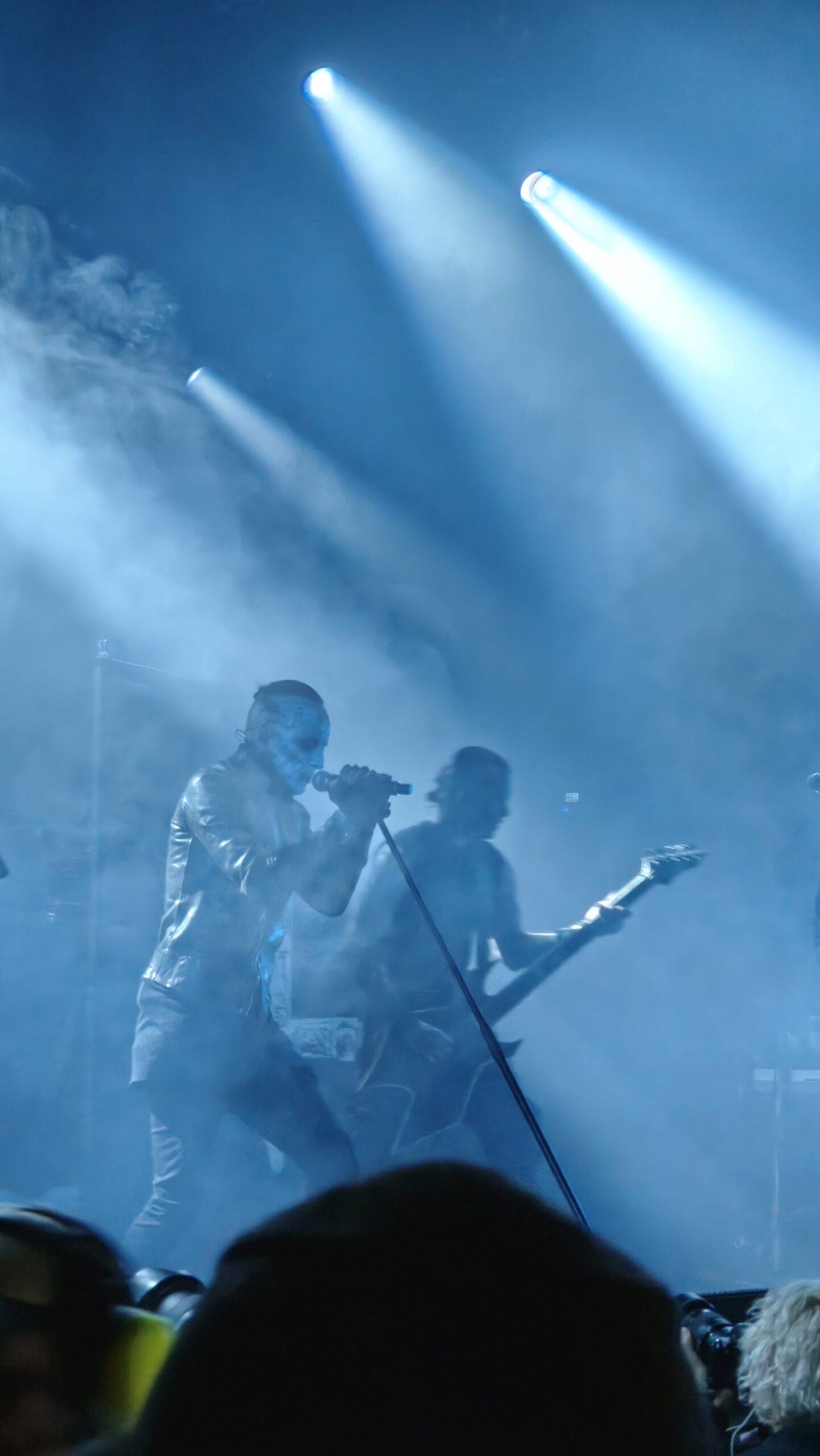
The set certainly caught some attendees off guard, steering into a raw, unconventional direction that differed from typical headlining expectations. On one hand, Nergal took over the stage with his characteristically splendid and magnetic presence, anchoring the dark spectacle with effortless charisma. On the vocal front, however, the delivery proved to be an unconventional hurdle for some listeners; in fact, the music often felt even tighter, heavier, and more potent during the moments when the focus shifted purely to the instrumental passages.
Fortunately, the accompanying Misþyrming completely rose to the occasion, delivering an absolute blast of a performance that was nothing short of phenomenal both instrumentally and vocally, providing a crucial anchor for the project. Ultimately, it was a uniquely polarising experience, not a bad show by any means, but a bold experiment that rounded out the night’s historic conclusion with a fierce, unpredictable energy that left the crowd buzzing well into the early hours.
As the final notes of the Sventevith set faded and the crowds began to pour out of USF Verftet, the Bergen weather decided to put on a show of its own. The sunny, comfortable, springlike conditions that had greeted attendees upon arrival had completely vanished. In their place, fans stepping out into the dark were met with a sudden, heavy downpour, a torrential rain that served as a stark reminder of a classic “Norwegian summer.” Attendees quickly zipped up their battle jackets over their newly acquired limited-edition hoodies, bracing against the elements as they dispersed into the city streets. Naturally, this sudden deluge and the mass exodus from the venue resulted in absolute taxi chaos outside. With hundreds of metalheads simultaneously scrambling to escape the rain, snagging a ride back to the hotel or the Kulturhuset’s nightshift, became an extreme sport in itself! It was a perfectly grim, atmospheric, and chaotic end to the first day of extreme metal, washing away the memory of the merch lines and sending everyone off to rest up for Day 2.
Day 2
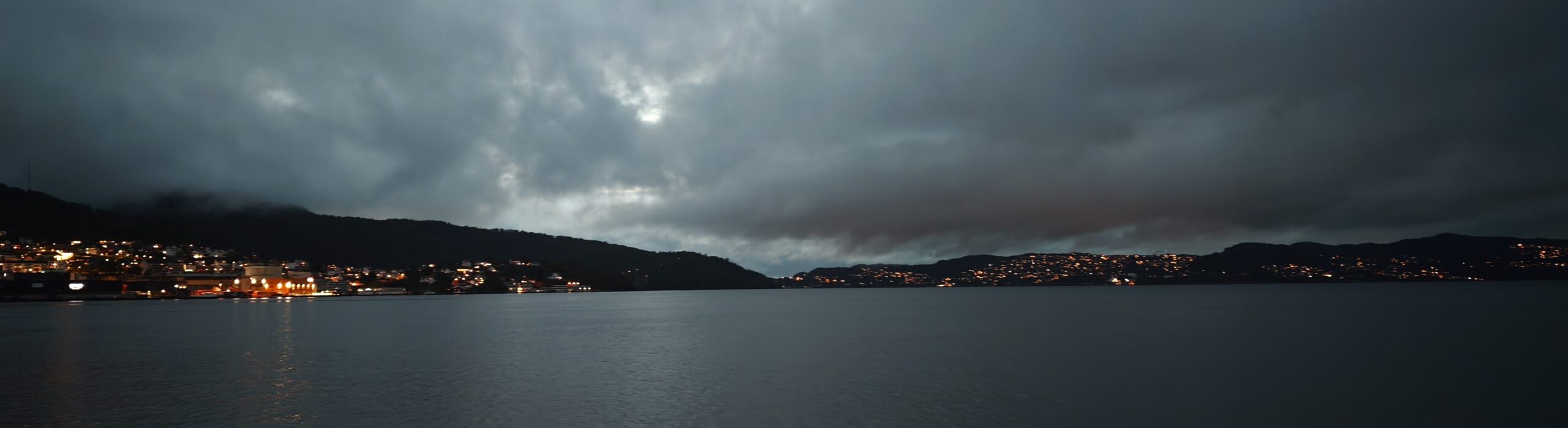
The second day of Beyond the Gates kicked off under typically moody Bergen skies, with heavy rain pelting the city until late into the evening before the sun finally broke through to greet us just as it dipped below the horizon. The day began indoors at Kulturhuset for the afternoon dayshift from 13:30 to 16:20, before the action shifted down to the historic brick walls of USF Verftet, where festival-goers faced the recurring logistical hurdle of finding out that the venue’s prized balcony remains open to everyone rather than being reserved as a private retreat for VIP pass holders. But once the amps began to hum, weather woes and crowded viewpoints quickly faded, giving way to an exceptionally diverse masterclass in extreme music.
Dayshift at Kulturhuset in Bergen
Shifting gears to Thursday’s daytime session, the action moved indoors to Kulturhuset in Bergen for an intense club-style showcase. Operating conditions were famously brutal: the sound was notoriously tricky to manage given the venue’s acoustics, and the room quickly transformed into a sweltering, poorly aired pressure cooker. Yet, none of that bothered the dedicated crowd in the slightest. Cutting through dense walls of stage fog, blindingly extreme light shows, and a near-complete lack of breathable oxygen, festival-goers threw themselves into Thursday’s day-shift with total abandon, proving that true extreme metal crowds thrive best in the heaviest conditions.
Representing the absolute outer limits of speed and aggression, Finnish deathgrind/death metal outfit Concrete Winds kicked things into a hyper-chaotic gear. Their performance was a relentless, high-velocity assault on the senses, matching the suffocating heat of the room with a chaotic, grinding fury that left very little time to catch a breath.
Next up, Polish black metal force Terrestrial Hospice brought quite the intensity to the stage. Booming with serious underground pedigree, featuring Inferno (Behemoth, Azarath) behind the kit and Skyggen (Gorgoroth, Tortorum) on guitar, the band delivered a fierce, precision-tooled masterclass in modern black metal aggression that cut straight through the venue’s sonic hurdles.
Rounding out the day-shift heavyweights, German death metal titans Sulphur Aeon brought a sweeping, cosmic-horror atmosphere to the stage. Fueled by Lovecraftian dread and massive, towering riffs, their performance offered a crushing, ocean-deep heaviness that completely filled the room, providing a monolithic and epic conclusion to an intensely sweaty afternoon.
USF Verftet
Opening the second day at USF Verftet, Germany’s The Ruins Of Beverast delivered a set that was surprisingly enchanting and deeply immersive. Sticking entirely to their standard live presentation without custom festival props, mastermind Alexander von Meilenwald let the music speak for itself against the venue’s default lighting and thick banks of rolling stage fog. Their sprawling, cinematic soundscapes, expertly blending dark doom and black metal textures, pulled the early-evening crowd into a brooding, hypnotic trance, establishing a profoundly moody and captivating tone right out of the gate.
Maintaining that atmospheric gravity, Canada’s Forteresse stepped up next, bringing a striking sensory presence to the stage. While they also abstained from bespoke stage design in favour of their usual no-nonsense touring rig, they more than made up for it with tactile theatricality: the ominous scent of burning incense hung heavy in the air, complementing band members bearing visceral, bloody paint smeared across their faces and arms. Working within a standard stage setup swallowed by the lingering fog, their performance was exceptional, channeling the frost-bitten pride and fierce, melodic onslaught of the Quebec underground, all while drawing an energetic reaction from their uniquely eccentric and dedicated fanbase down in the pit.
Shifting the dial toward pure velocity, Norwegian black metal veterans 1349 followed with a quintessential, high-level performance that felt completely at home on the Bergen stage. Avoiding custom props for their standard, lean touring setup, the band relied purely on raw speed, aggressive stage execution, and thick banks of atmospheric haze. It was a textbook 1349 set: relentlessly loud, hyper-aggressive, and steeped in a dark, occult aura, transforming the venue into a war zone of sonic extremity and proving that their traditional spikey and flaming live approach remains a formidable force in Norwegian black metal.
Dialing down the speed while maximizing the emotional weight, UK cult doom icons Warning brought their signature brand of agonizingly slow, heartbreaking epic doom metal to the festival. Maintaining a stripped-back, unassuming stage presence with minimal visual fuss, they proved that no elaborate backdrops are needed when the songwriting is this devastating. Cutting cleanly through the venue’s standard lighting and stage fog, Patrick Walker’s fragile yet soaring vocals delivered a crushing, emotionally resonant experience that left the audience spellbound and entirely lost in the music’s sorrowful weight.
Keeping the heavy, hypnotic crawl alive, UK stoner doom legends Electric Wizard stepped up to envelop USF Verftet in a massive, suffocating wall of low-end fuzz and analog distortion. Sticking to their classic, no-frills live rig, the band relied on their signature vintage horror projections, moody stage lighting, and heavy banks of fog. Dropping massive, sludge-soaked riffs that rattled the floorboards, they summoned a classic, drug-addled occult haze, offering a monolithic, head-nodding masterclass in sheer sonic gravity that bathed the crowd in a thick, feedback-drenched atmosphere.
Bringing the day to a dark, primal close, Finnish cult icons Beherit delivered a rare and uncompromising old-school extreme metal masterclass. Embracing their traditional, minimalist approach with no special custom backdrop or elaborate stage design, the band relied strictly on their usual gear, atmospheric lighting, and a thick shroud of brooding fog. The set was a raw, hypnotic wall of chaotic noise and occult weight that felt less like a heavily produced modern concert and more like an ancient, underground black mass, providing a fittingly bizarre, menacing, and unforgettable conclusion to the day’s events.
For those finally filing out into the cool Bergen air as Beherit’s final, ritualistic notes faded into the night, fortune offered a rare moment of grace: festival-goers managed to slip away and head home completely dry, dodging the worst of the elements. But the truce with the sky couldn’t last forever. Just as the streets quieted down, the heavens opened up once more, unleashing a torrential downpour that pounded the pavement with a force as heavy and relentless as the drums that had just shaken USF Verftet to its foundations.
When the dust settled, Day 2 had firmly established itself as busier, louder, and noticeably more chaotic than the festival’s opening chapter. With the crowds thoroughly tested by sweltering daytime club shows, massive fog-shrouded evening lineups, and an unrelenting rollercoaster of weather, the festival wrapped up its second act in thrilling fashion, leaving an unpredictable and exhilarating momentum hanging in the air for whatever natural or musical storm Friday had in store.
day 3
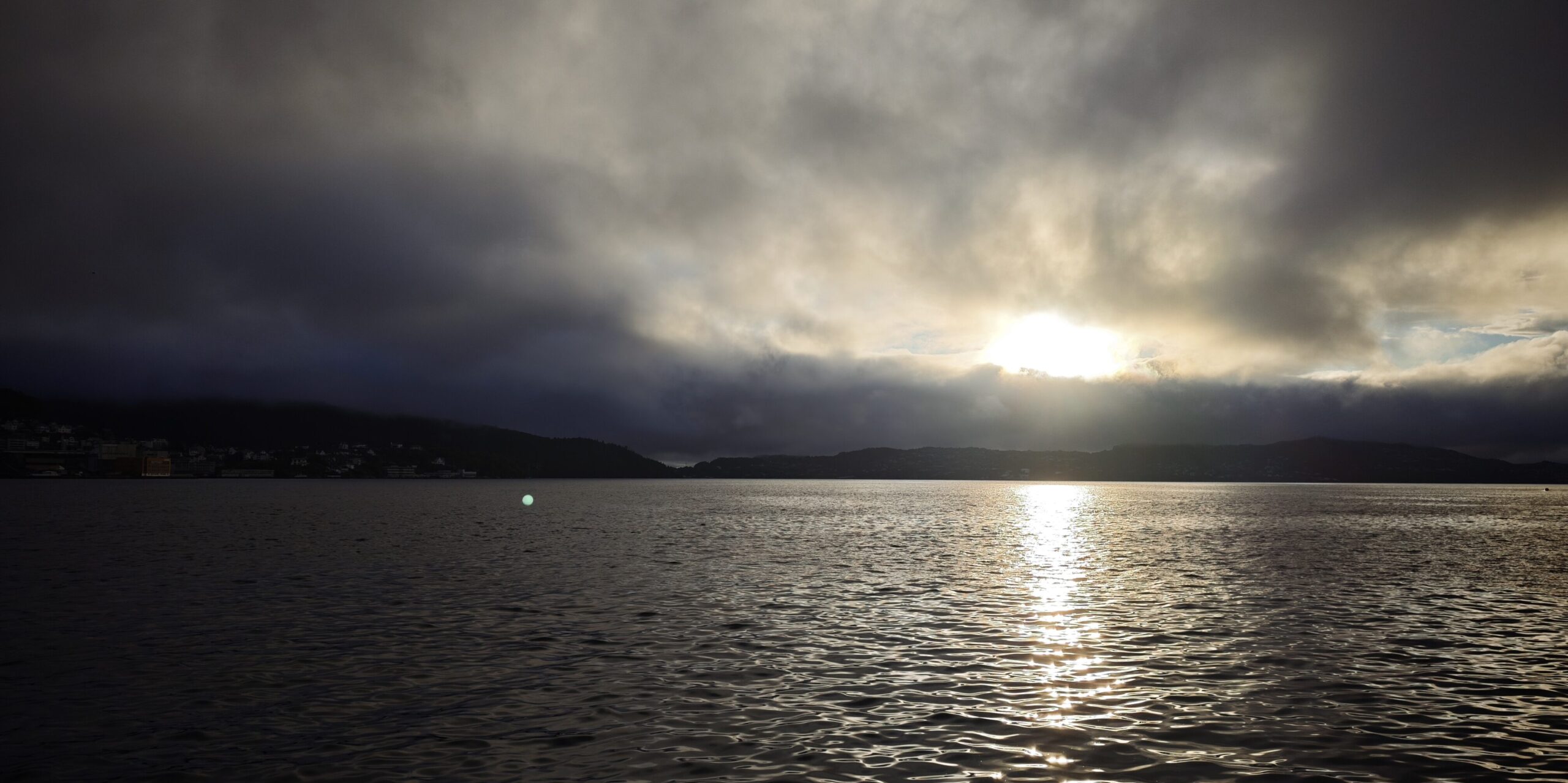
The third day of the festival kicked off under rare, surprisingly sunny skies with no rain in sight, though anyone familiar with the region knew the classic Bergen downpour was bound to catch up before long. The city streets were bustling and alive with activity, a sea of heavy boots and black shirts crowding the sidewalks as metalheads flocked through the center toward Kulturhuset to get the dayshift rolling.
Dayshift Kulturhuset i Bergen
Opening the Kulturhuset afternoon session, Sweden’s Saturnalia Temple immediately pulled the room into a heavy, hypnotic trance. Driven by mastermind Tommie Eriksson, the band specialises in a crushing, low-end stoner/doom sound that bridges old-school occult metal with deep, esoteric mysticism. Trading hyper speed for slow-burning, meditative grooves and suffocating fuzz, their immersive stage performance delivered a dark, mesmerising tone that set the perfect mood for the early hours.
Following them, Iceland’s Vafurlogi brought a distinct stylistic flavour to the stage, channeling an atmospheric sound rooted in the rebellious spirit and melodic black metal wave of the 2000s. Formed by veterans of Iceland’s revered extreme underground (including connections to acts like Svartidauði and Sinmara), their performance captured that evocative, flickering-flame aesthetic. Wrapping the room in sweeping, icy guitar lines and tense, dynamic structures, they offered a striking bridge between traditionalism and modern dark artistry.
Closing out the Kulturhuset lineup, Norwegian collective Dold Vorde Ens Navn delivered a wonderfully surprising live show. Booming with an elite underground pedigree featuring heavyweights from legendary Norwegian acts like Ulver, Dødheimsgard, Satyricon, and Ved Buens Ende, the band blends atmospheric black metal with rich, melancholic, and folk-tinged sensibilities. Whether the venue’s acoustic hurdles were finally brought to heel or a different sound engineer took the helm, the sound issues plaguing earlier sessions were entirely absent. The mix was clean, balanced, and a genuine pleasure to listen to, allowing their intricate compositions to shine brilliantly and ending the dayshift on a high note.
Grieghallen
There is a delicious irony in watching the sacred walls of Bergen’s premier cultural bastion get torn down by a wall of sound. Grieghallen, shaped like a grand piano but feeling more like a concrete monolith under the festival lights, provides the ultimate stark, cavernous backdrop for the dark atmosphere of Beyond the Gates.
Stepping into the historic confines of Grieghallen for the third day of Beyond The Gates 2026 shifted the entire weight and prestige of the festival. Long before the first amps roared, the room’s legendary status, tied inextricably to Grieghallen Studios and the cradle of Norwegian black metal history, brought an inescapable sense of grandeur that standard club venues simply cannot replicate. The day itself kicked off under rare, surprisingly sunny skies with no rain in sight, though anyone familiar with the region knew the classic Bergen downpour was bound to catch up. The city streets were bustling with heavy boots and black shirts crowding the sidewalks as metalheads flocked toward Kulturhuset to get the afternoon dayshift rolling.
Opening the Grieghallen main stage, Norway’s Misotheist set a brooding, immersive tone that immediately commanded the attention of the hall. Rooted deeply in the orthodox, labyrinthine black metal tradition of Trondheim, their performance was a masterclass in suffocating atmosphere and dark, deliberate pacing. Rather than relying on simple, mindless aggression, they wove complex rhythmic structures and dense, dissonant guitar textures that filled the cavernous room with heavy, esoteric weight. Their ability to balance crushing intensity with patient, architectural songwriting created a deeply hypnotic and ritualistic experience from the very first note.
As one of the most anticipated and fiercely discussed performances on the Friday bill, Norway’s Whoredom Rife stepped onto the Grieghallen stage with an immense weight of expectation, and proceeded to shatter every single one of them in a positive sense. Fronted by the commanding presence of K.R. alongside master songwriter and guitarist V.Einride, the band delivered a masterclass in Norwegian black metal supremacy. Striking an absolute balance between venomous aggression and soaring, triumphant melodic guitar leads, their set felt relentlessly intense. Drawing deeply from their acclaimed catalogue, tracks like “Dommedagskvad” exploded across the grand hall with an arena-sized fury that made full use of Grieghallen’s acoustic depth. The chemistry between the members was palpable, executing blast beats and majestic harmonies with precision while maintaining an untamed, visceral edge. It was a career-defining performance that completely justified the mounting anticipation, firmly proving why Whoredom Rife stands at the absolute vanguard of contemporary extreme music.
As the night deepened, Swedish black metal heavyweights Marduk stormed the Grieghallen stage like a mechanised military strike, delivering a masterclass in unyielding, high-intensity extreme metal. Fronted by Daniel “Mortuus” Rostén, whose rabid, commanding delivery and skin-crawling voice cut through the air like a jagged blade, and anchored by founder Morgan Håkansson’s chainsaw-sharp, unrelenting guitar attack, the band treated Grieghallen like a captured outpost. Moving through a relentless onslaught of beloved anthems, blending brutal cuts from their storied career with driving forces from records like Memento Mori, they proved why they remain one of the genre’s most punishing live institutions. Visually, the set was an absolute sensory attack: blinding, strobe-heavy white lights stabbed through massive, rolling banks of suffocating stage fog, turning the hall into a war-torn frontline. While it had been likely an absolute nightmare for the photographers trying to navigate the chaos down in the pit, it suited the band’s relentless, militaristic violence to absolute perfection, leaving the historic hall ringing with uncompromising fury.
Shifting dimensions entirely, Blood Incantation transported the audience deep into the cosmos with their signature “floydy-death.” Led by visionary guitarist and vocalist Paul Riedl, alongside drummer Isaac Faulk, guitarist Morris Kolontyrsky, and bassist Jeff Barrett, the band delivered a transcendent performance that showcased why they are currently redefining the outer limits of extreme music. Centered around epic, sprawling movements from their acclaimed record Absolute Elsewhere, the band bridged crushing, technical death metal brutality with sweeping, 1970s-inspired psychedelic space-rock soundscapes. Tearing through monumental journeys like “The Stargate” and “The Message,” the set was a breathtaking tightrope walk: intricate blast beats and guttural rovers melted effortlessly into hypnotic synth interludes and soaring, atmospheric guitar leads that filled Grieghallen’s grand hall. It was an immersive, mind-bending voyage that offered something entirely distinct from standard extreme metal fare, proving that technical mastery and profound ambient depth can coexist in absolute harmony.
Shifting away from Grieghallen for the late-night shift, the festival crowd packed back into the intimate, sweaty confines of Kulturhuset for Italian cult icons Mortuary Drape. Steeped in classic extreme metal tradition and eerie occult atmosphere, complete with their signature ritualistic presentation, macabre aesthetics, and skeletal motifs, their performance provided a wonderfully gritty, sinister finale to the day. Striking a fierce contrast to the grand scale of the main hall, the close quarters of Kulturhuset amplified the raw, necromantic lore of their set, sealing Day 3 with an underground intensity that hit just right.
day 4
As the festival enters its fourth and final day, the sheer physical toll of three relentless days of extreme music hangs heavy in the air, yet the energy across Bergen refuses to flag. Kicking off the BeYoung the Gates special today, in order to celebrate the showcase framework for young up-and-coming talent, local death-thrash upstarts Dreadmaw wasted no time waking up the room, proving that homegrown grit and raw adrenaline can shatter any lingering fatigue.
The Dayshift at Kulturhuset
Kicking off the final day with an explosive burst of homegrown energy, local Bergen death-thrashers Dreadmaw delivered a performance that immediately shattered any expectations for a routine afternoon warmup. Leaning heavily into a vicious, high-octane blend of thrash velocity and death metal crunch, the band played with a fierce, hungry intensity that felt remarkably sharp and assured. Far from a standard casual opening set, it was a genuinely surprising masterclass in underground aggression, driven by razor-sharp fretwork, breakneck pacing, and an infectious momentum that instantly galvanised the early crowd.
Adding an unexpected layer of spectacle to the afternoon, the band also brought a surprisingly flashy, dynamic lightshow that sliced cleanly through the venue’s haze, elevating the club atmosphere far beyond a standard daytime showcase. Proudly waving the flag for the local scene, Dreadmaw proved they are a rising force to watch closely, setting an electric, high-voltage tone that officially opened the floodgates for the final day of Beyond the Gates.
Stepping up next to maintain the afternoon’s mounting momentum, local death metal heroes Contorted brought a heavy dose of domestic pride to the Kulturhuset stage. Hailing right from Bergen and carrying the torch for classic Norwegian death metal, the band delivered a crushing performance steeped in old-school brutality, raw execution, and visceral, unadulterated grit.
By the time Contorted unleashed their first wave of thunderous riffs, a noticeable and welcome shift swept through the room. The crowd, previously nursing the heavy fog of the previous nights and creeping festival fatigue, suddenly looked visibly more awake and energised. Whether it was the restorative power of pouring a few more cold drinks or the collective process of finally shaking off the last remnants of a multi-day hangover, the atmosphere in the venue sparked instantly to life. Heads banged in fierce unison as the room tightened, proving that Contorted’s authentic, bone-crunching masterclass was the exact burst of electricity needed to wake the final day up for good.
Stepping up to deliver a performance that genuinely turned heads and elevated the artistic stakes of the final day in Kulturhuset, Angell, the project lead by no other but Ihsahn’s and Ihriel’s (Starofash) son, proved to be an absolute revelation on stage. Delivering a tight, fiercely executed set that effortlessly held its own, their live execution felt remarkably elevated, operating on a level that was comfortably on par with festival heavyweights. Every single note was delivered with absolute conviction, balancing musicianship with an absorbing stage presence that instantly commanded the room’s undivided attention.
Further enhancing the visceral experience was a surprisingly polished and immersive production setup. Abstaining from standard, rudimentary club lighting, Angell treated the venue to a remarkably decent and thoughtfully designed light show, weaving dynamic beams and atmospheric shadows that synced up seamlessly with the music. Combined with their striking stage energy, it was a standout exhibition of underground excellence, leaving an indelible mark on the final day’s proceedings and proving their undeniable mettle among the festival’s elite.
Grieghallen
Returning to the historic, hallowed halls of Grieghallen for the final time this weekend, the atmosphere carried a bittersweet weight as the festival reached its apex. Outside, the weather remained true to its character, caught in that familiar, indecisive Bergen loop where sunshine and threatening clouds traded places by the minute. But inside the grand concert hall, all external concerns vanished. With the final evening lineup locked in, Grieghallen prepared to host a legendary masterclass in Norwegian metal royalty and avant-garde brilliance, offering a monumental closing chapter to an unforgettable week.
Opening the evening with a masterclass in atmospheric tension, Gaahls Wyrd took over the Grieghallen stage with an effortlessly enchanting and impeccably balanced performance. Anchored by the magnetic, piercing presence of frontman Kristian “Gaahl” Espedal, the band benefited immensely from the hall’s pristine, world-renowned acoustics, allowing every nuance of their performance to resonate with crystal-clear precision. Moving effortlessly through a dynamic setlist that featured crushing renditions of signature staples like “Carving” and the hypnotic pull of “Ghosts,” they struck a brilliant balance. Rather than relying on relentless brutality, they allowed the room to breathe, oscillating seamlessly between spacious, meditative calm, where the immaculate sound mix invited the crowd to close their eyes and absorb the sweeping sonic textures, and sudden bursts of aggressive black metal fury. It was a sophisticated, deeply moving start to the evening that established a towering benchmark.
Stepping up next as the second act of the evening, Norway’s avant-garde icons Arcturus brought a brilliantly eccentric and cosmic energy to the main stage. Named after the fourth brightest star in the night sky, the band lived up to their stellar namesake by delivering a performance that felt truly celestial and entirely out of step with earthly conventions. Featuring the inimitable vocal acrobatics of Simen “ICS Vortex” Hestnæs, the blistering precision of legendary drummer Jan Axel “Hellhammer” Blomberg, celebrating his birthday right as the weekend wrapped up on August 2nd, and the surreal keyboard architectures of Steinar Sverd Johnsen, they transformed Grieghallen into an otherworldly theater of sound. Weaving theatrical flair through eccentric masterpieces like “Master of Disguise” and “The Chaos Path,” their unique blend of sweeping, dramatic keyboards, soaring clean falsettos, and unorthodox metal structures proved once again why they remain peerless architects of extreme music’s outer limits.
Providing a gorgeous, shimmering shift in texture, France’s Alcest took the stage as the sole non-Norwegian act of the evening’s main bill, casting an immediate, spellbinding hush over the hall. Led by mastermind Neige (Stéphane Paut) alongside long-time drummer Winterhalter, the band performed a breathtaking selection of their greatest hits, floating effortlessly through fan favourites like “Autre Temps” and the soaring, melancholic grandeur of “Oiseaux de proie.” They bathed Grieghallen in waves of transcendent, enchanting soundscapes that blurred the lines between black metal grit and luminous shoegaze beauty. The auditory experience was matched blow-for-blow by a stunningly crafted light show that washed over the stage and audience in ethereal, shifting hues, turning the hall into a dreamlike sanctuary and proving that heavy music can carry an unmatched sense of ethereal grace and immersion.
Bringing the entire festival to its ultimate, historic climax, Emperor stepped onto the Grieghallen stage to deliver a breathtakingly rare, once-in-a-lifetime performance that had set the international extreme metal community buzzing since the moment it was announced. This was far more than a standard festival headlining slot; it was a monumental resurrection of the band’s earliest, most forming chapter. Unleashing a true, original-lineup exclusive for Beyond the Gates, the core pillars Ihsahn (Vegard Tveitan) and Samoth (Tomas Haugen) were joined on stage by early architects Håvard “Mortiis” Ellefsen on bass and Bård “Faust” Eithun behind the kit.
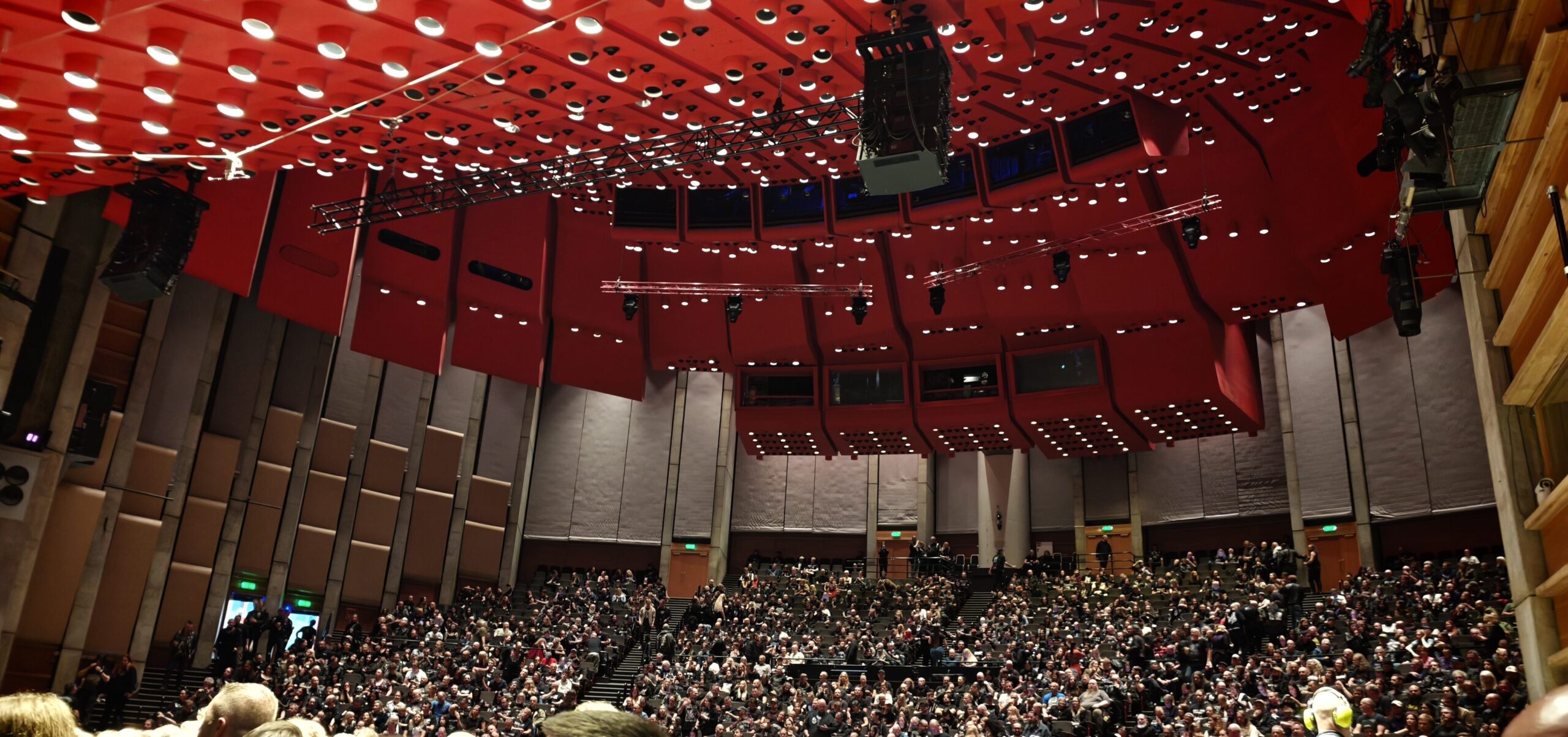
Stepping into Grieghallen, the very historical cradle where their foundational 1993 material, Wrath of the Tyrant, and the genre-defining In the Nightside Eclipse were originally shaped, carried an inescapable gravity. The atmosphere in the hall was thick with anticipation as the iconic lineup took their positions, bridging a gap of over thirty years. When they tore into raw, primitive cuts alongside towering anthems like “I Am the Black Wizards,” “Night of the Graveless Souls,” and “Cosmic Keys to My Creations & Times,” the performance became a visceral bridge connecting their shadowy underground origins to the majestic, symphonic pillar of the scene they eventually became. Powered by Faust’s tight, aggressive drumming and Mortiis‘s heavy bass presence, paired with Ihsahn’s sharp guitar work and signature snarl, the set captured a raw edge that modern iterations rarely match. It was a memorable and fitting conclusion to the festival’s fourteenth edition, easily living up to the massive expectations and closing out the weekend with a historic finale.
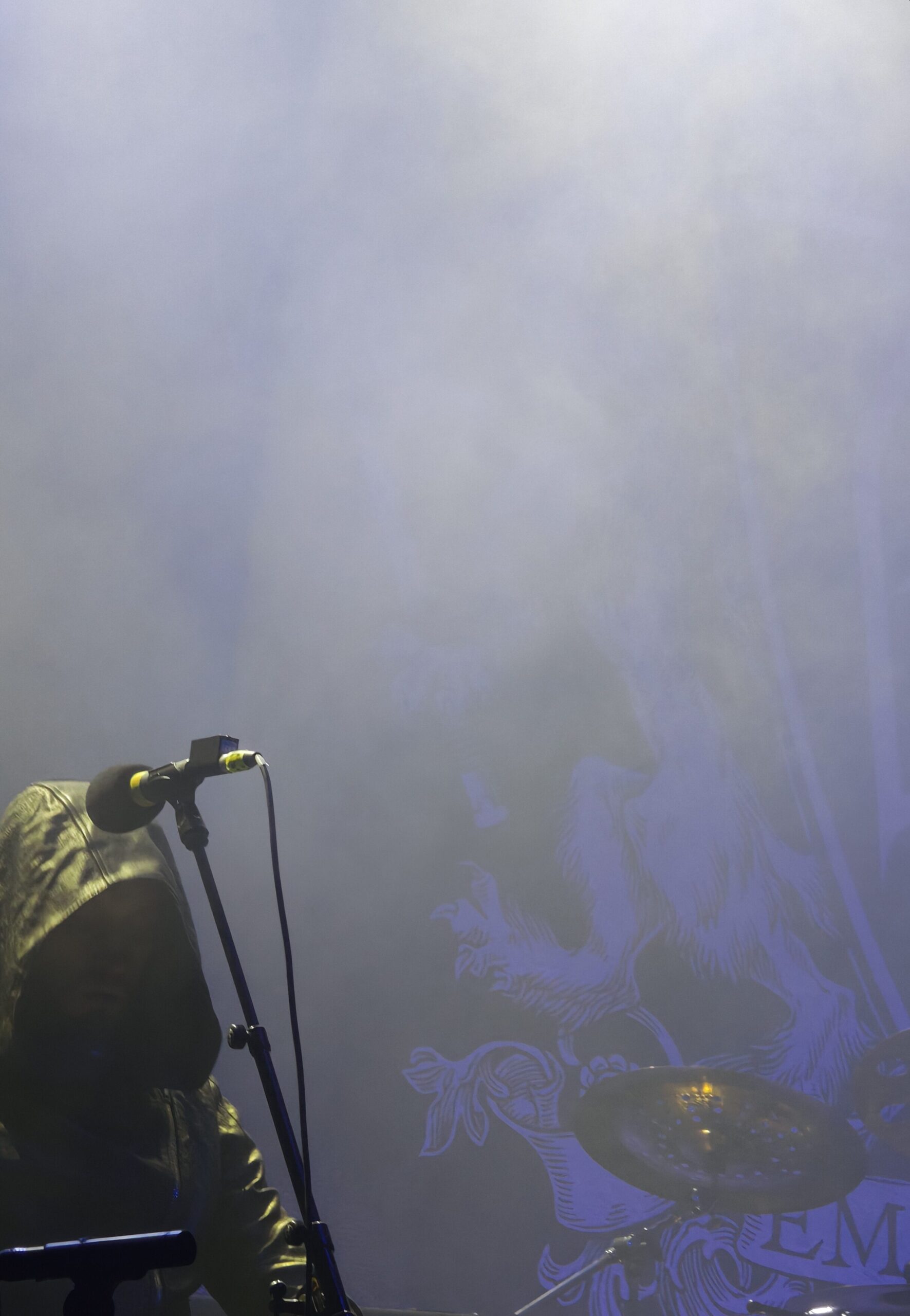
As the final, thunderous notes of Emperor’s historic set faded into the stone walls of Grieghallen and the crowds spilled back out into the cool, damp Bergen night, a distinct mix of heavy exhaustion and absolute triumph filled the air. Four days of relentless extreme music, sweat-soaked day- and nightshifts, historic venue walls, and once-in-a-lifetime performances had finally drawn to a close.
Yet, even as the festival neared its final hours, the underground community was given one last thrilling surprise. On Saturday afternoon, word quietly circulated through the crowds about a sneaky, on social media announced release of early bird tickets for 2027’s monumental 15th-anniversary edition of Beyond the Gates. For those quick enough to catch wind of the stealth drop amid the chaos, it was an immediate, automatic decision – securing passage back to the cradle of Norwegian black metal before the dust had even settled.
As the Bergen rain began to mist over the city streets one last time, Beyond the Gates closed out its latest chapter, leaving an indelible mark on everyone who made the pilgrimage and cementing its place as the undisputed crown jewel of the extreme underground.
Beyond the bands, the stages, and the historic weight of Grieghallen, what truly cements Beyond The Gates as a world-class destination is the city-wide atmosphere it cultivates. Over four days, Bergen doesn’t just host a festival, it completely transforms into an immersive sanctuary for the extreme metal community from all over the world such as even Qatar, Canada and the US.
Stepping away from the barrier reveals a vibrant market area packed with rows of independent merch, rare records, intricate jewellery, and dark artifacts, acting as a natural gathering hub for fans and artists alike. Right alongside it, the on-site tattoo convention (Beyond the Ink) brings together a roster of exceptionally talented artists, offering festival-goers a chance to secure permanent ink from world-class creators amidst the weekend’s chaos.
What makes the festival truly unique, however, is how the city itself becomes an active part of the program. Local venues, bars, and restaurants throughout Bergen enthusiastically lean into the weekend, adjusting their menus, playlists, and hours to welcome the black-clad invasion. Iconic spots like Apollon, the city’s legendary independent record store and craft beer bar, transform into essential daytime hubs hosting listening parties and DJ sets, while neighbourhood staples like the Kulturhuset and Goosa and surrounding local haunts become living extensions of the festival grounds where fans, musicians, and press cross paths.
Of course, no massive undertaking is entirely without its friction points. For those working behind the scenes or trying to piece together coverage amidst the whirlwind, the notable absence of a dedicated media room occasionally introduced some minor logistical frustration, forcing picture editing and writing sessions to be squeezed into crowded corners or bustling pub tables.
Yet, even with minor behind-the-scenes hurdles, the overall experience remains peerless. By weaving local culture, world-class art, community spaces, and legendary musical history into a single cohesive tapestry, Beyond the Gates proves once again why it stands alone as the crown jewel of the extreme undergroun